Resettlement Updates

RESETTLEMENT UPDATES

We understand how important family is as the backbone of every child’s life. We ensure that every child is given the opportunity to reunite with their family whenever possible. We also prepare for the challenges that may arise along the way, as the integration process takes place.
Resettlement and Follow-Up Support

RESETTLEMENT AND FOLLOW-UP SUPPORT

Overview

Home remains the most important place for a child, and the reunification of children with their families continues to be a central priority of our programmes. This process remains at the heart of our work, although it is accompanied by ongoing challenges that require patience, consistency, and close collaboration among all stakeholders.

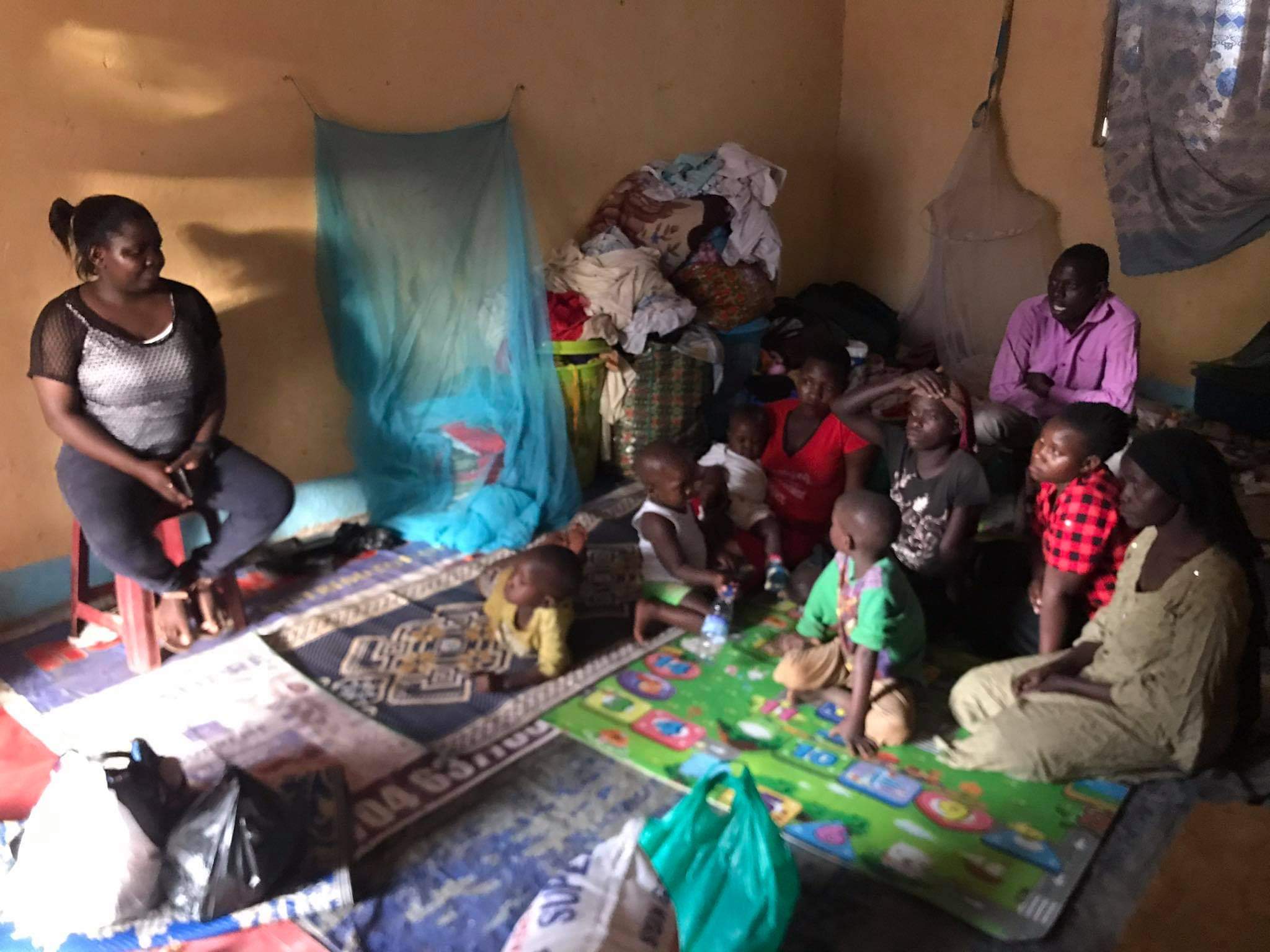
We extend our sincere appreciation to parents and guardians who remain actively engaged in their children’s lives following resettlement and during follow-up visits. We also commend their continued commitment in managing and responding constructively to behavioural challenges that may emerge during the reintegration process. Their willingness to engage without stigma or resentment regarding their children’s past experiences on the streets is highly valued. This work would not be possible without their cooperation, and we are grateful to all those who participated in our recent meeting to discuss the challenges and future pathways for their children. The engagement was both meaningful and productive for all involved.

Family Engagement

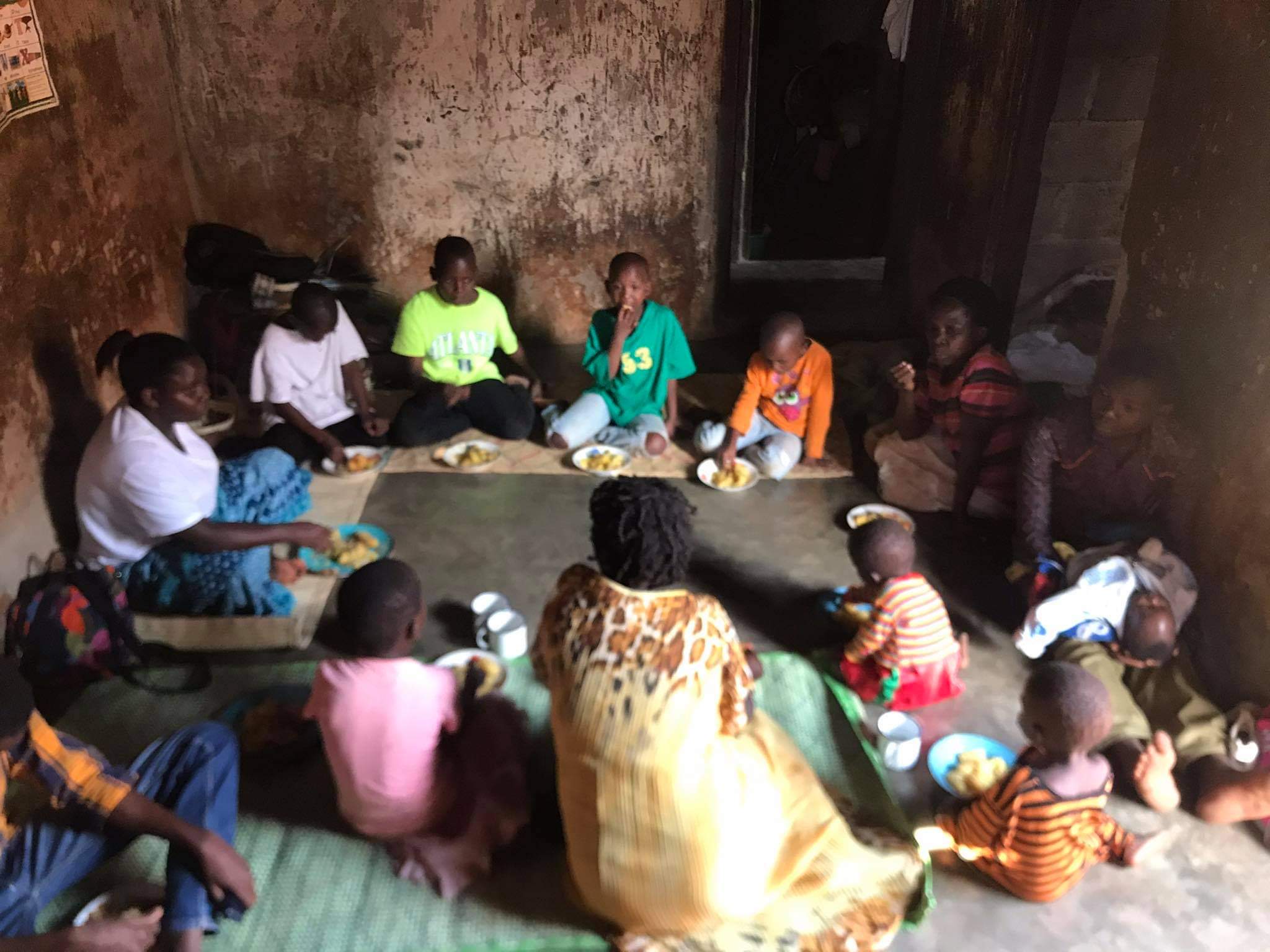
Family involvement remains a cornerstone of the resettlement and reintegration process. Parents and guardians continue to play an active role in the lives of their children after resettlement and during follow-up visits, maintaining consistent contact and engagement as the children adjust back into family and community life. Their willingness to engage constructively, without stigma or resentment toward the children’s past experiences on the streets, has been highly valuable and has contributed significantly to creating a more supportive environment for reintegration. This positive approach has helped to rebuild trust within families and has encouraged more open communication between children and their caregivers.

The participation of families in meetings and ongoing discussions has further strengthened collaboration between caregivers and the programme team. These engagements have provided an important platform for sharing experiences, addressing concerns, and collectively reflecting on the challenges involved in the reintegration process. Through these interactions, there has been improved understanding of the behavioural, emotional, and social adjustments that children go through after resettlement. Their continued commitment remains essential in supporting the children’s adjustment, stability, and overall wellbeing. This sustained involvement plays a key role in reinforcing positive change, strengthening family relationships, and supporting long-term reintegration outcomes.

Family engagement 1
Progress and Education

The resettled children are showing steady and gradual improvement in their overall development, with notable progress in their educational journey. Many of the girls, in particular, demonstrate relatively higher levels of stability, focus, and responsiveness compared to some of the boys. These differences are largely attributed to variations in their earlier street experiences, exposure levels, and the circumstances they encountered before and after rescue. School attendance has significantly improved, with more children consistently returning to and remaining in school. Teachers have reported encouraging signs of increased participation in class, better discipline, and growing willingness to engage in learning activities. Although academic performance is still developing, there is clear evidence of gradual improvement as children begin to regain confidence in their studies.

However, many learners are still working to bridge important learning gaps caused by extended periods outside formal education. These gaps affect basic literacy, numeracy, and overall academic progression, requiring continued remedial support, patience, and individualized attention from both teachers and caregivers. To strengthen accountability and ensure continuity in education, all school fees are paid directly to the respective schools rather than being handled through parents or guardians. This system has helped reduce the risk of mismanagement or diversion of funds, while also ensuring that the children’s educational needs are consistently prioritized and fully met. Overall, the education progress reflects a positive trajectory, supported by structured systems.

Family engagement 1
Challenges and Reintegration

Despite the progress observed, several challenges continue to affect the reintegration process. Follow-up visits show that while most children are generally stable, some behavioural issues persist. These are often influenced by peer pressure, particularly around material possessions such as clothing, footwear, and mobile phones, which is a common developmental influence among adolescents.

Family engagement 1

Additionally, some children continue to exhibit behavioural difficulties such as theft and fighting, especially in situations involving access to money or valuable items. These behaviours can place strain on family relationships and create tension within communities. In many cases, even when incidents are reported to authorities, responses may be limited, requiring families and programme staff to manage the situations collaboratively.

Children with previous street experiences often require extended periods of adjustment, and some behaviours may reappear during this transition. Continuous guidance, patience, and reassurance remain essential in helping them understand and sustain positive behavioural change. Despite the challenges, ongoing collaboration with families continues to offer hope for long-term successful reintegration and stronger family unity.